The UK Government has addressed requests to modify standard driving licence regulations across the country.
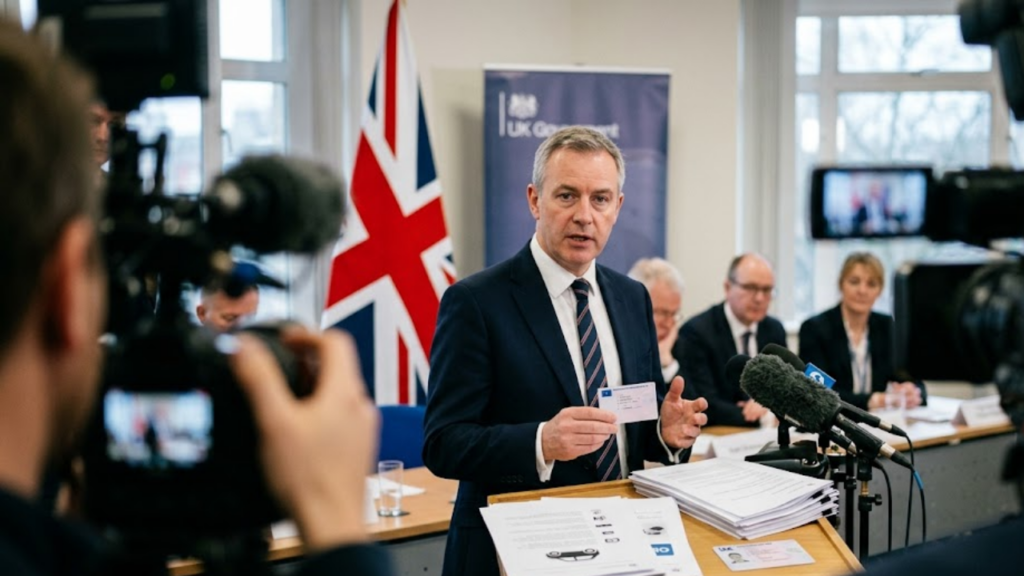
The Department for Transport has been asked to review whether Category B licence holders should be permitted to drive motorhomes weighing up to 4250kg. Currently these drivers can only operate vehicles up to 3,500kg with a standard car licence.

The issue has emerged because many motorhomes exceed the existing 3500kg threshold while remaining below 4,250kg. This creates restrictions for people who hold standard licences and want to travel in these vehicles.

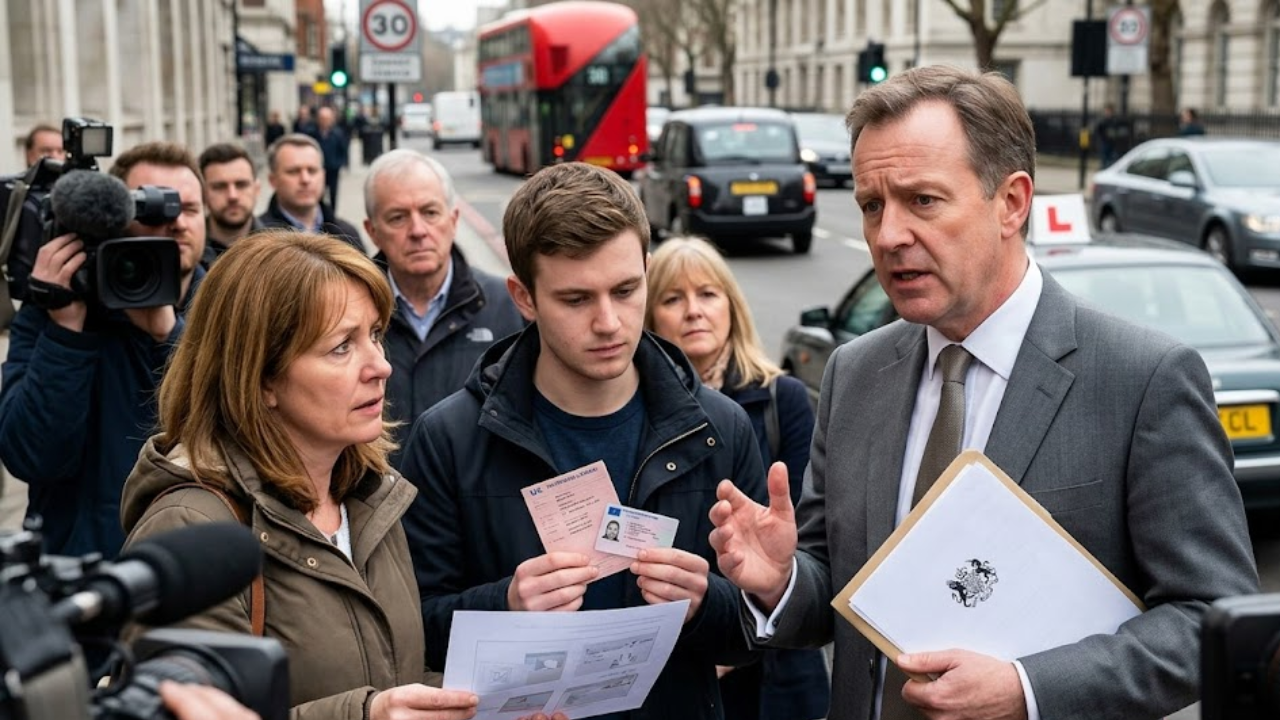
EU rule changes
The European Union has introduced a new directive that provides more flexibility for motorhome drivers. The directive covers all types of motor caravans including petrol, diesel & zero emission models.
EU member states now have the option to permit heavier motorhomes to be driven with a Category B licence. However drivers must complete at least seven hours of training or pass a specific test or do both. The training and testing requirements must address particular safety topics that are detailed in the directive.

In June 2025 the UK Government expanded these regulations to allow all zero emission vehicles up to 4,250kg to be driven with a standard licence. Petition to change UK driving rules More than 11,000 people have signed a petition calling for changes to the current system.
Petition to change UK driving rules
The petition states that existing laws restrict the size and weight of motorhomes that standard licence holders can drive. It also points out that many motorhomes just above 3,500kg feature automatic transmission which could benefit people with disabilities.
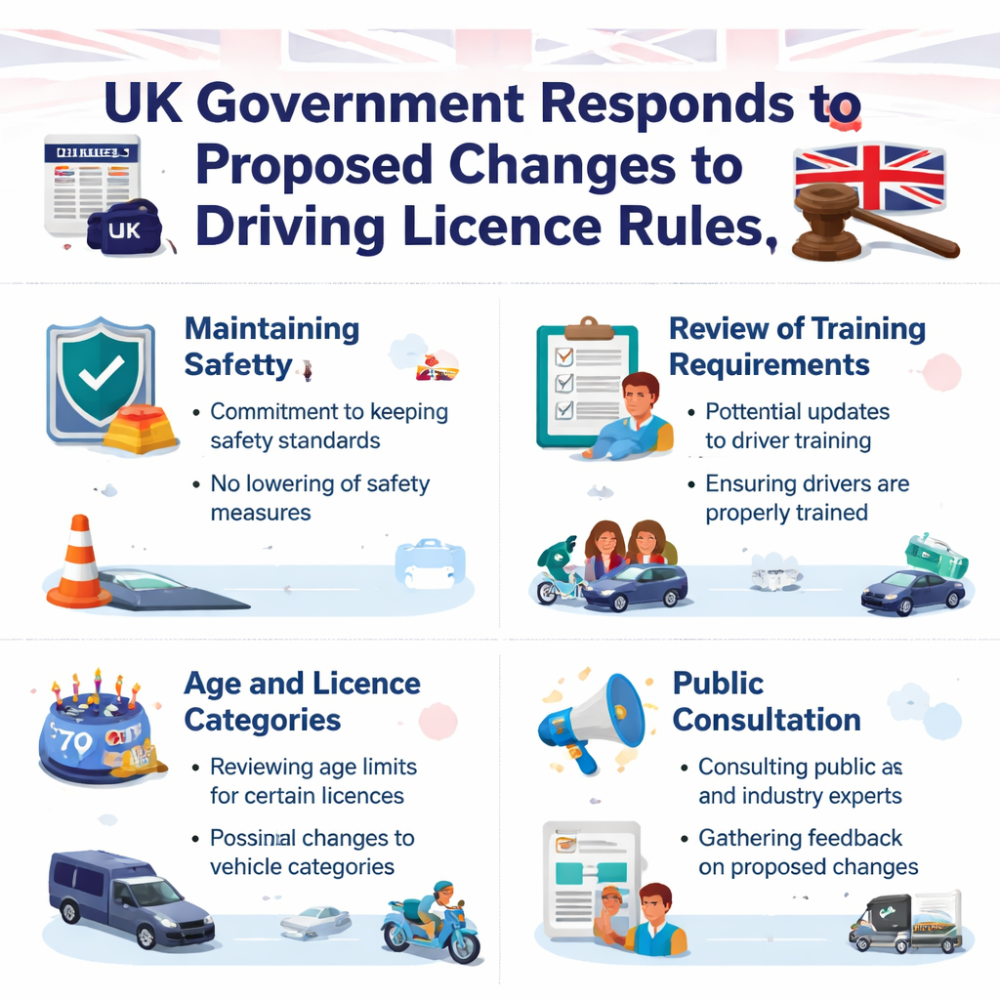
Department for Transport responds to driving petition
A Department for Transport spokesman addressed the petition by confirming that driving licence rules are regularly reviewed. The department has not yet evaluated the potential advantages of allowing Category B licence holders to drive motorhomes up to 4,250kg. Any future modifications to driving licence law would require public consultation and a comprehensive impact assessment.