A vaccine given during pregnancy is proving highly effective in protecting newborn babies from serious chest infections. Recent findings show that this vaccine can reduce hospital admissions among infants by more than 80%.
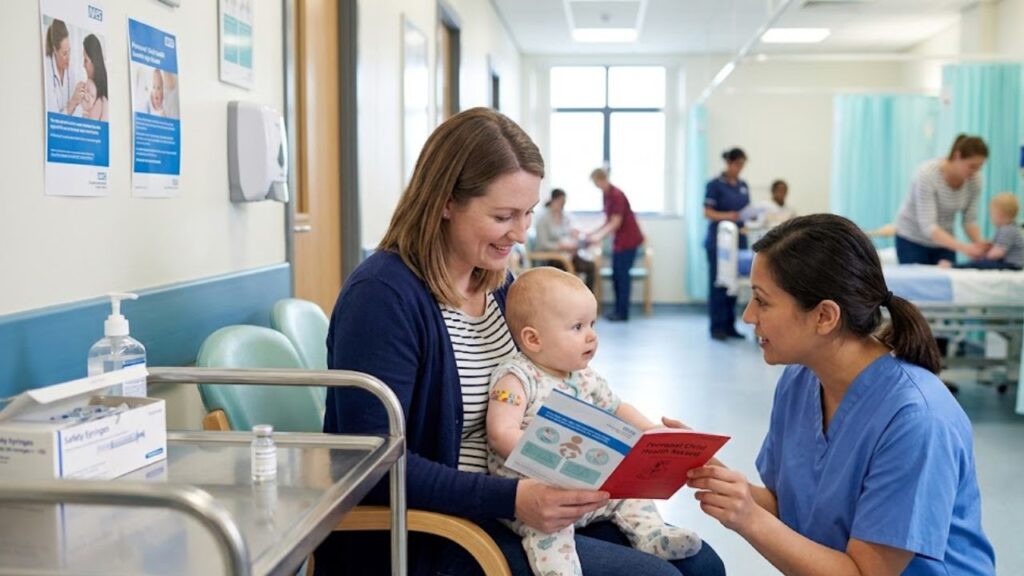
RSV (Respiratory Syncytial Virus) is a common but potentially dangerous virus that affects babies in their first few months of life. It can cause breathing difficulties and feeding problems, and in severe cases, may lead to hospitalization.

Pregnant women are now offered this vaccine during the third trimester, usually from around 28 weeks. The vaccine helps the mother produce protective antibodies, which are then passed to the baby through the placenta. This ensures that the baby has protection from the moment of birth.

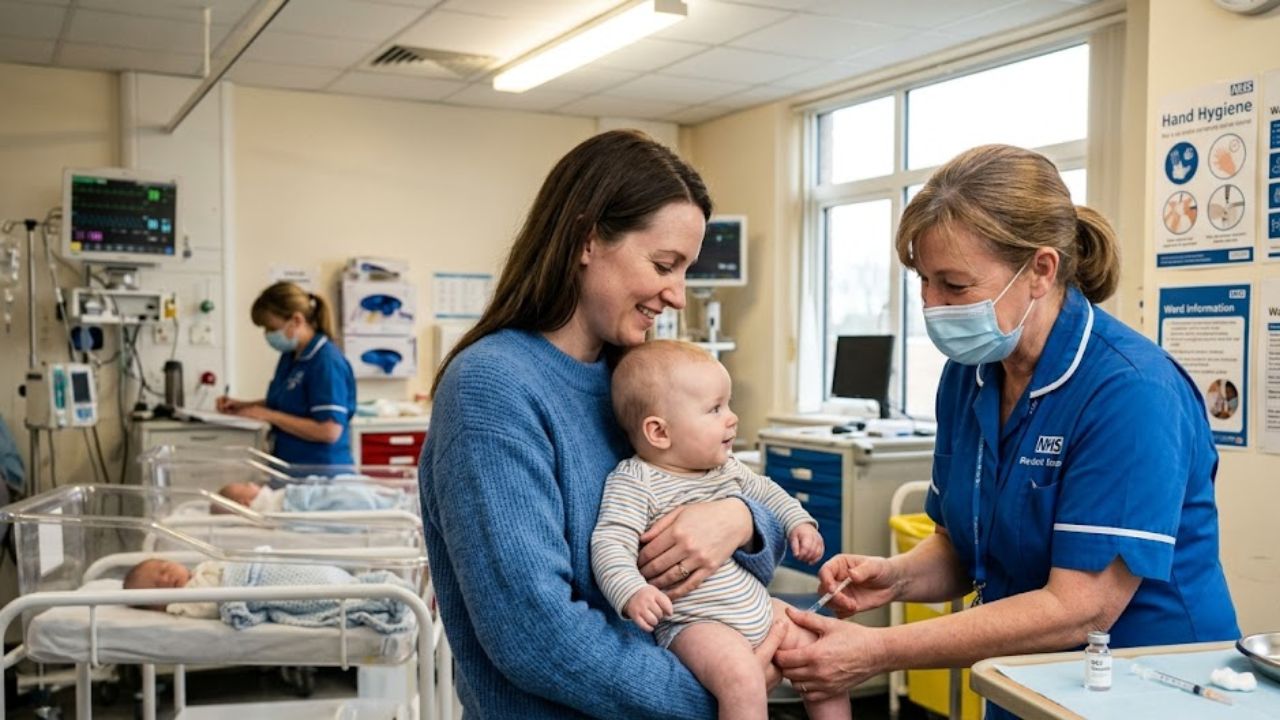
A recent large-scale study found that when the vaccine is given at least four weeks before delivery, it provides around 85% protection against severe RSV infection. Even when given closer to delivery, it can still offer some level of protection.
Doctors say that a longer gap between vaccination and birth leads to stronger protection for the baby. However, even if there is a delay, receiving the vaccine at any point during the third trimester is still beneficial.
Data analysis involving a large number of newborns showed that most babies who required hospital care were those whose mothers had not received the vaccine.

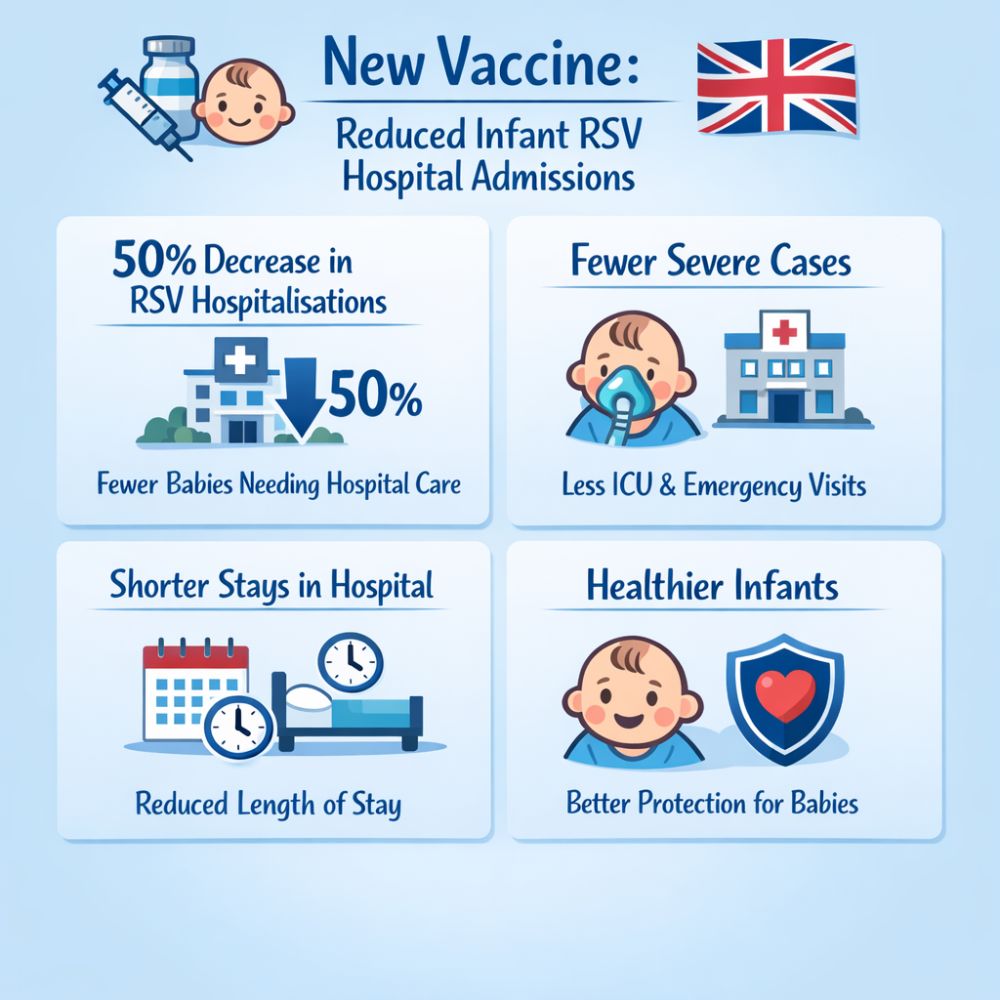
In some cases, RSV infection can become very serious, requiring oxygen support for infants. Although rare, it can also be life-threatening.
Health experts believe this vaccine can play a crucial role in keeping babies safe, especially during the winter season. Pregnant women are strongly advised to consult their healthcare providers and get vaccinated at the appropriate time.
In addition to the RSV vaccine, flu and whooping cough vaccines are also recommended during pregnancy to ensure the safety of both mother and baby.