Fuel prices across the UK have shown a slight decline for the first time since the escalation of tensions involving the US, Israel, and Iran, according to recent data from the RAC. This follows several weeks of steady increases triggered by disruptions in global oil supply routes.
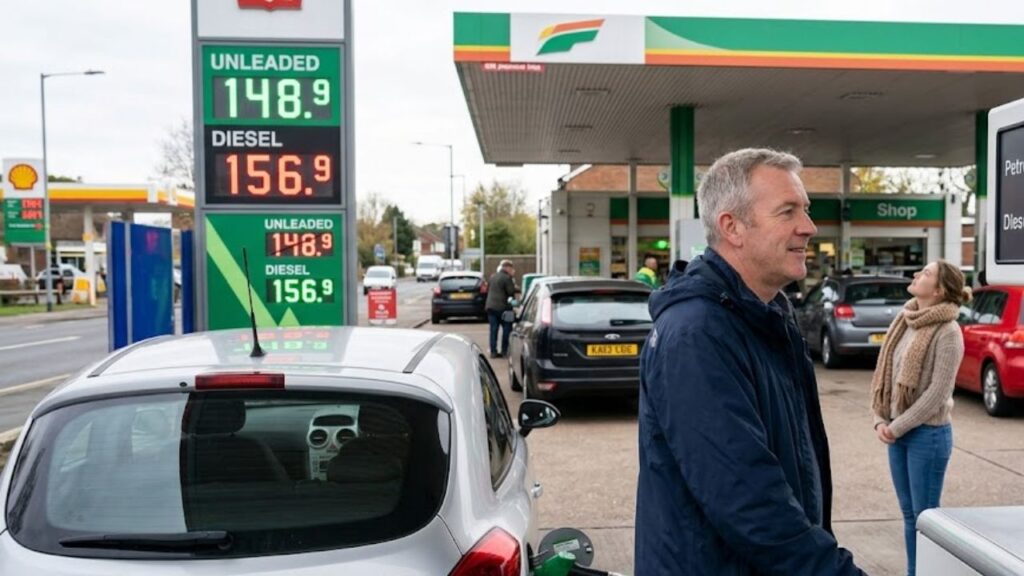
The earlier surge in prices was largely driven by the effective closure of the Strait of Hormuz, a critical passage for global oil and gas shipments. The disruption significantly increased wholesale fuel costs, which quickly impacted prices at the pump.

However, a modest easing has now been observed. Over the past two days, diesel prices have dropped by around 0.6p per litre, while petrol has decreased by approximately 0.3p. Diesel is currently priced just under 191p per litre, while petrol stands at slightly below 158p per litre.

Despite this minor relief, fuel costs remain significantly higher than earlier in the year. Filling a diesel vehicle still costs about £26 more compared to late February, while petrol users are paying nearly £14 extra per tank.
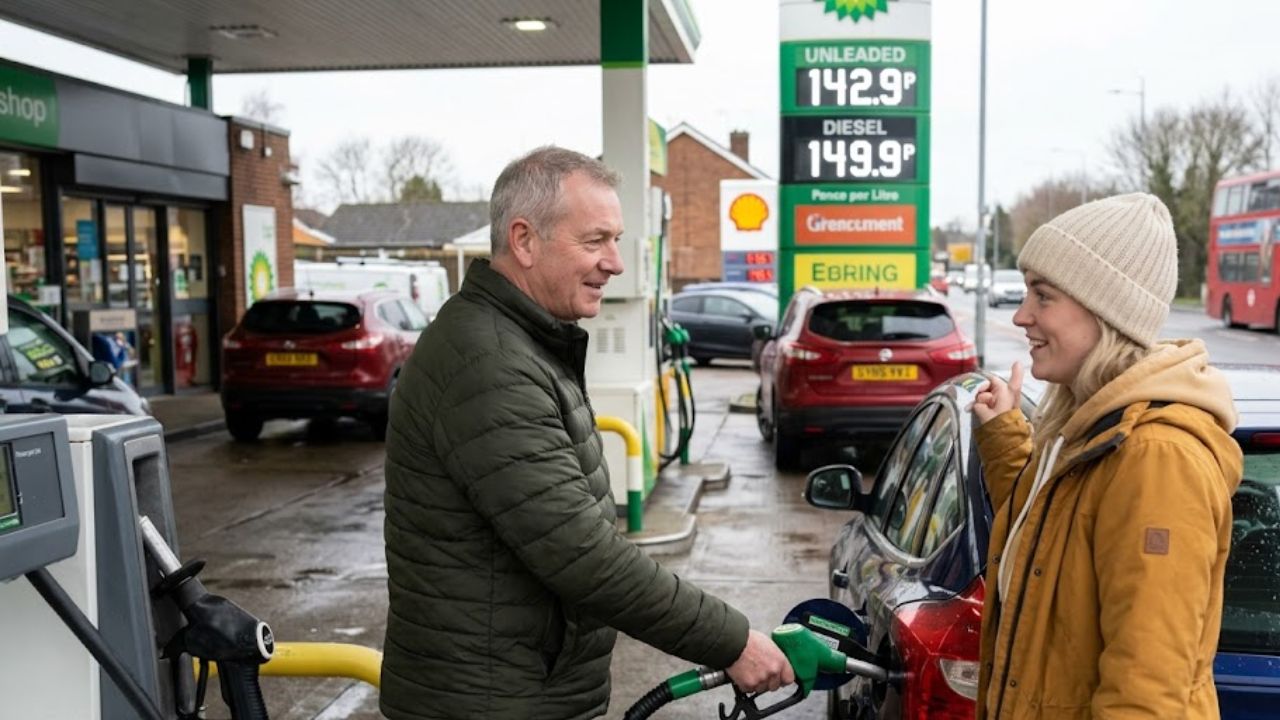
The RAC has indicated that further reductions may be on the way, as wholesale fuel prices have continued to stay below their recent highs. Experts suggest that drivers could see additional price drops of several pence per litre in the coming days.
In recent weeks, fuel prices had risen sharply. Diesel climbed from around 142p per litre to nearly 192p, while petrol increased from 133p to over 158p. Although prices remain elevated, they are still lower than the peak levels recorded in summer 2022, when petrol reached 191.5p and diesel hit 199p per litre.
The rising cost of fuel has added pressure on household budgets across the UK. Along with heating oil, fuel expenses have become a major contributor to the increasing cost of living.

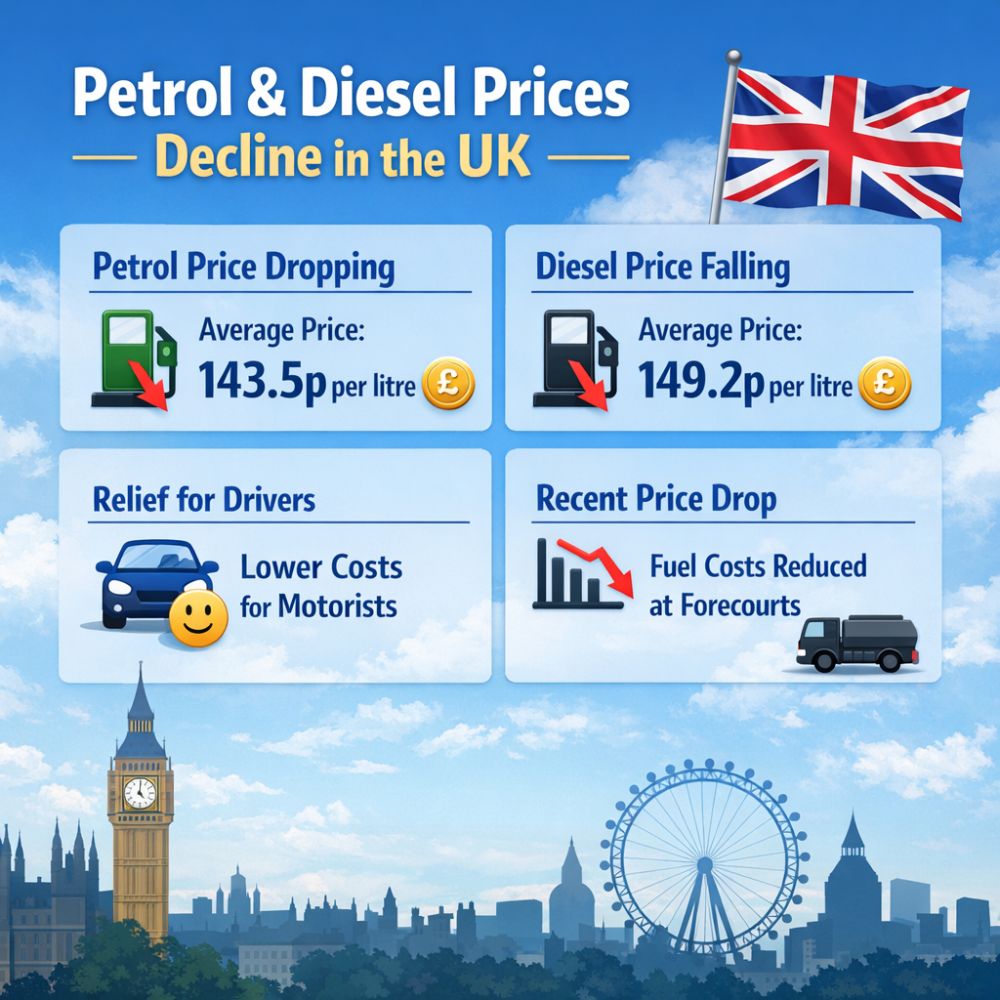
Data from the Office for National Statistics revealed that 75% of people reported fuel prices as a key reason for rising living costs in March, a sharp increase from 38% in February. This reflects growing concern among households about the impact of global economic disruptions.
Experts note that the rise in fuel costs comes at a challenging time, as wage growth has slowed and real earnings have seen minimal improvement. Lower-income households, in particular, are struggling to cope with the added financial burden.
The recent volatility in fuel prices has been closely linked to movements in crude oil markets. At the start of the conflict, Brent crude oil prices surged from below $70 per barrel to over $100, eventually peaking above $119.
Following the announcement of a temporary ceasefire, oil prices have eased and fallen back below $100 per barrel. Industry analysts note that a $10 change in crude oil prices typically results in around a 7p per litre shift in fuel prices at UK pumps.
 UK Weather Alert April 2026: Snow and Blizzard Conditions Forecast Across Multiple Counties