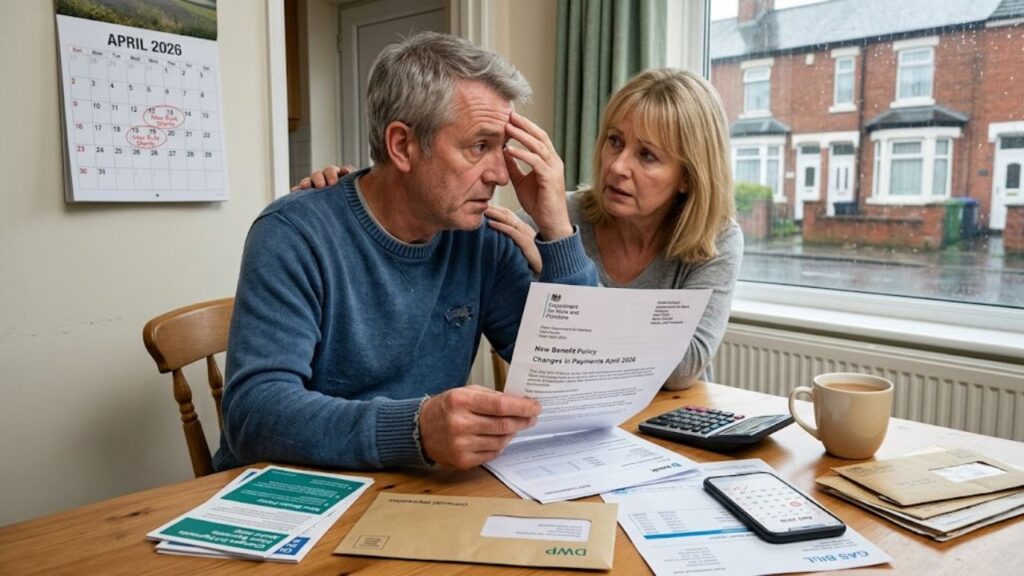
The UK government has brought in new measures through the Department for Work and Pensions to help remove a major obstacle that stops people from getting jobs. These changes will start later this month & aim to let benefit claimants try working without worrying they will immediately lose their financial support.
What Changes Under the New Rules
The new rules mean that starting a job will not automatically trigger a benefits review for certain people. This applies to those getting Employment & Support Allowance, Personal Independence Payment and the health element of Universal Credit. Claimants can also do voluntary work now without facing a reassessment. The idea is to help people slowly build their confidence and gain work experience while keeping their current support.

the Reason Behind Reform
Government figures show that more than one third of disabled people who want to work hold back because they fear losing their benefits. About 2.8 million people in the UK are currently out of work because of long-term health problems. Ministers think reducing this fear is vital for improving lives & helping the economy. Sir Stephen Timms, who is the Minister for Social Security and Disability, said that removing the risk of trying work is an important step in getting more people back into jobs.

Welfare Strategy Part of a Broader
These changes form part of a bigger welfare reform plan focused on increasing employment. The government plans to spend £3.5 billion on specialized employment support programs by the end of the decade. These programs will help people find work and stay employed over time.

Looking Ahead
Several charities have praised the reforms & said they could help restore trust in the benefits system. Groups like Mental Health UK, Mind & Mencap have pointed out that reducing reassessment fears and allowing volunteering can help people gain confidence skills and independence. The reforms have received mostly positive responses but their success depends on whether they truly address concerns about financial security. For many claimants the main question is whether this new approach will give them enough confidence to try working without putting their income at risk.