Second home owners are facing steep council tax hikes, with some now looking at bills as high as £28,000 per year. This surge in costs comes as councils implement premium charges as part of a crackdown on additional properties.
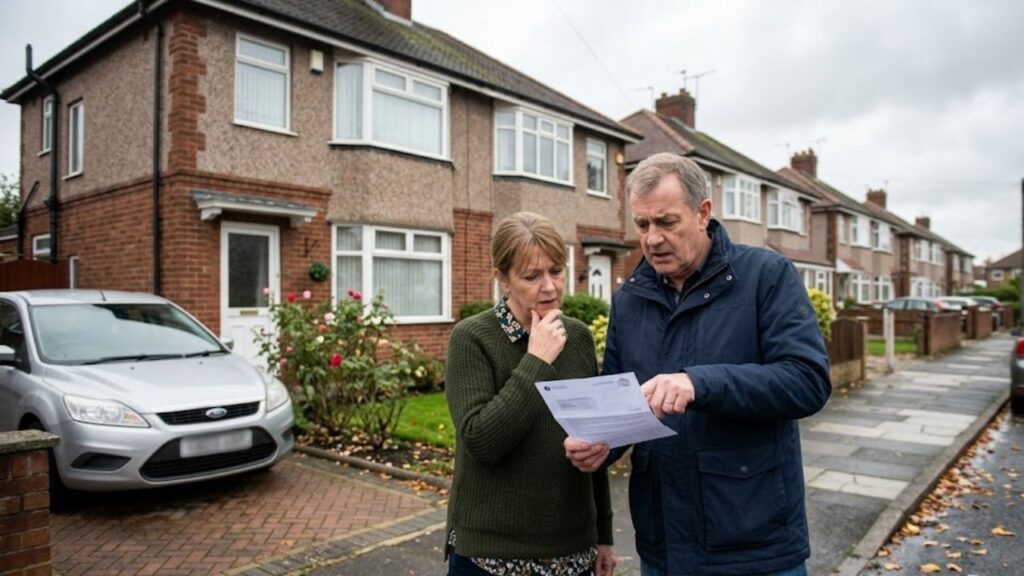
Property owners in Scotland are now facing some of the highest council tax bills in the UK, especially in Midlothian, where a 500% premium was introduced starting April 1. This move could lead to bills approaching £28,000 for certain homes.

How the New Council Tax Premiums Work
The premium tax levied by the Midlothian Council affects different tax bands, with Band G properties seeing the highest charges. Here’s a breakdown:

| Property Type | Charge (Full Premium Applied) |
|---|---|
| Band G Property | £27,863.10 |
| Band D Property | £14,810.88 |
For second home owners, the new rates depend on how long the property has been owned. If the property has been owned for:
- Less than 2 years: Double the standard rate
- 2 to 3 years: 300% surcharge
- More than 3 years: Full 500% premium
Local Impact and Expected Revenue
Midlothian currently has 35 second homes, spread across various tax bands. While Band D properties are the most common, there are a few Band G homes with even higher charges. This new policy is expected to generate around £200,000 in the 2026-27 financial year.
The council’s leader, Kelly Parry, stated that although the tax increase will raise some revenue, its primary goal is to encourage behavioural change. The intention is to make more properties available to local residents, as the current housing supply shortage has driven up rent prices.
 State Pension Age Debate 2026: Concerns Rise Over Impact of Increase to 67 on Certain Groups
Scottish Councils’ Authority and Political Reactions
Unlike other regions of the UK, Scottish councils have more flexibility in setting taxes on second homes. While English councils are limited to doubling council tax rates, Scottish councils, like Midlothian, have unlimited power to adjust premiums. However, no other council has implemented a premium as high as Midlothian’s 500% charge.
Critics argue that these hikes will burden homeowners, especially amidst the cost-of-living crisis. Meghan Gallacher, the Scottish Conservative housing spokesperson, condemned the increases as “eye-watering hikes,” accusing SNP and Green politicians of adding more financial strain on struggling homeowners.
Experts also warn that higher taxes might not achieve the desired outcome. Nathan Emerson of Property mark highlighted that second homes in Scotland already face an 8% additional dwelling supplement at purchase. Moreover, there is limited evidence to suggest that such taxes will boost affordable housing supply. Joanna April long from the Adam Smith Institute raised concerns that extreme charges could drive away investment and hurt local economies.