Tax experts are talking about changes that will affect investors next week. For basic and higher rate taxpayers, the tax rate on dividend income over the annual allowance of £500 will go up by two percent for investments that are not in a tax-free environment.
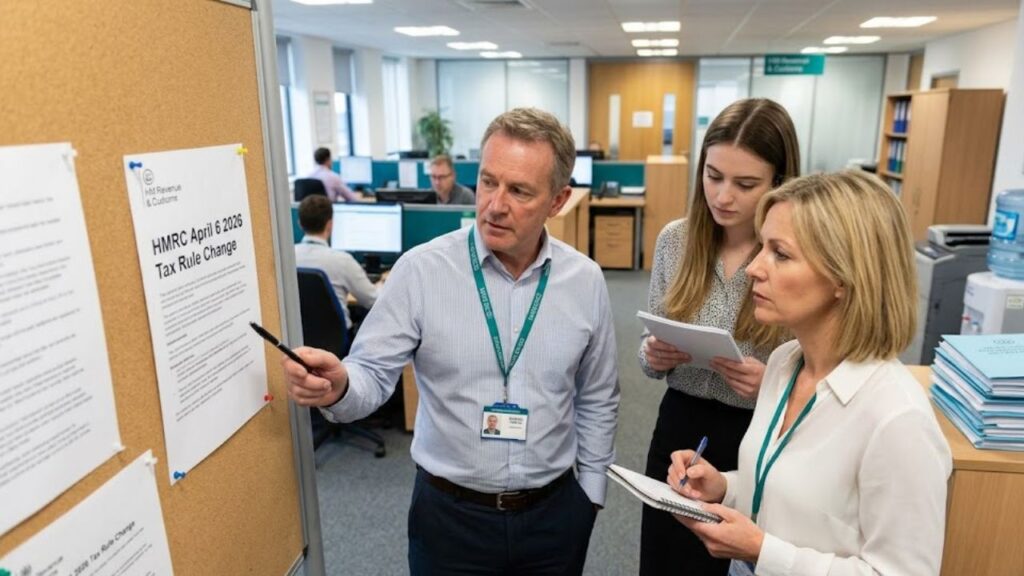
Chancellor Rachel Reeves said in last November’s Budget that the normal rate owed to HMRC would go up from 8.75% to 10.75% and the higher rate would go up from 33.75% to 35.75% starting on April 6, 2026, which is the start of the new tax year. The extra rate will stay the same at 39.35 percent. Experts at J.P. Morgan say that these changes will bring in £280 million more in taxes for HM Treasury in the next tax year (2026–27).

J.P. Morgan talked about how things had changed in the last ten years. It said that after the notional tax credit system was replaced in 2016, the UK cut the tax-free annual dividend allowance by 90%, from £5,000 per tax year to £500. This made more investors and business owners pay dividend taxes. The allowance started at £5,000, but it has been cut three times: to £2,000 in 2016, to £1,000 in 2023, and finally to its current level of £500 in April 2024.

At the same time, the tax rates on dividends have gone up little by little. In 2016–17, basic rate taxpayers paid 7.5% on dividend income over the limit, while higher and additional rate taxpayers paid 32.5% and 38.1%, respectively. This went up by 1.25% across the bands in the 2022-23 tax year. In the next tax year, it will go up by 2% for basic and higher rate taxpayers.
Effect on Investors
JP Morgan said that a basic-rate taxpayer who made £10,000 in dividends outside of their tax-free investment wrappers would have paid almost three times as much tax on that income over the past ten years. A basic-rate taxpayer who made £10,000 in dividends outside of tax-free wrappers in 2016–17 would have had to pay £375 on that money. In the current tax year (2025–26), this amount has gone up to £831.25. It will go up to £1,021.25 on April 6, 2026.
J.P. Morgan Personal Investing found that more than four out of ten (44%) UK investors said that changes to dividend taxes in the next tax year (2026–27) will affect their portfolios. This worry goes up to 59% for people with more than £250,000 in investable assets.
Concerns Over New Tax Year
J.P. Morgan is a world leader in financial services, helping the biggest companies, governments, and institutions in more than 100 countries. As announced in 2020, JPMorgan Chase will give away $2 billion in charitable funds around the world by 2025. We also use our many resources, such as access to capital, economies of scale, global reach, and expertise, to lead volunteer service activities for employees in their local communities.
Charlotte Wheeler, a chartered financial planner and wealth manager at J.P. Morgan Personal Investing, said, “Changes to dividend taxes have been a popular way to bring in new tax money over the past ten years, which has made more investors pay taxes on their investments.” The tax-free allowance for dividend income has gone down, and tax rates have gone up slowly over time.
“For investors, it’s important to remember dividend tax rules when building wealth because they can lower returns in an investment portfolio that focuses on generating income if not managed correctly. If you have investments that aren’t in tax-efficient wrappers, you should pay close attention to the new dividend tax rates that will go into effect at the start of the new tax year. These changes will affect people who have income investments worth more than the current £500 limit. Our data shows that investors with larger portfolios will be the most affected, but the new tax year is coming up, so there will be a wider effect on all investors.

The “Bed and ISA” Strategy
New retirees who have taken a tax-free pension lump sum may not be able to fix this as easily because they may want to focus on their ISA for growth investments that they will need later on. If you hold long-term investments outside of an ISA, you may have to pay Capital Gains Taxes (CGT) on them. This is a trade-off. Some investors will have to decide if they want to give up dividends in order to protect their growth-focused investments from CGT.
The Capital Gains tax-free allowance is £3,000. However, basic rate taxpayers pay 18% tax on any amount above that, and higher and additional rate taxpayers pay 24%. Some people may be thinking about moving investments that make money into their ISA when their annual allowance resets on April 6.
“You don’t have to pay taxes on withdrawals, dividends, or any returns that the investments in a Stocks & Shares ISA make, so it’s tax-efficient.” You should think about your financial goals and how you plan to use the money you make from your investments. For instance, if you get any dividends directly in your bank account, you should keep track of how much interest you earn on your savings and whether this puts you over the personal savings limit.
Summary and Strategy Advice
Charlotte said, “The ‘Bed and ISA’ strategy has changed over time and is now a common move for investors who want to put their money in a tax-free investment wrapper.” The process involves selling the investments without a tax-free wrapper and then putting the money into an ISA or pension, which gets returns that are not subject to CGT. Some people will do this at the beginning of the tax year when their yearly allowances are reset.
This method can be appealing to investors because moving money into a tax-free investment wrapper lowers the risk of having to pay Capital Gains or dividend taxes later on. However, this process isn’t always simple. For example, when you try to sell your investments and then buy them back in the tax-free wrapper, you should be aware of how volatile the market is and how it affects the value of your investments.
Important ₹Considerations for Investors
Article continues below “Also, investors should learn about the CGT allowance limits if they plan to sell their investments for a profit before moving them to an ISA or pension. If you’re not sure about the “bed and ISA” method, it’s a good idea to talk to an expert to make sure you’re making the right choice for your situation.
The research by J.P. Morgan was based on an Opinium survey of 1,000 UK investors that took place between December 3 and 10, 2025. Opinium Research is a member of the British Polling Council and follows its rules.