Payments that are due on Good Friday or Easter Monday typically arrive on the day before. A 4.8% triple lock increase will also increase the state pension and associated benefits starting on April 6. Short-term cash flow can be altered by both the timing change and the increase in income. We describe who gets paid ahead of schedule, how banks handle change, and what lenders, retailers, and utilities should keep an eye on.
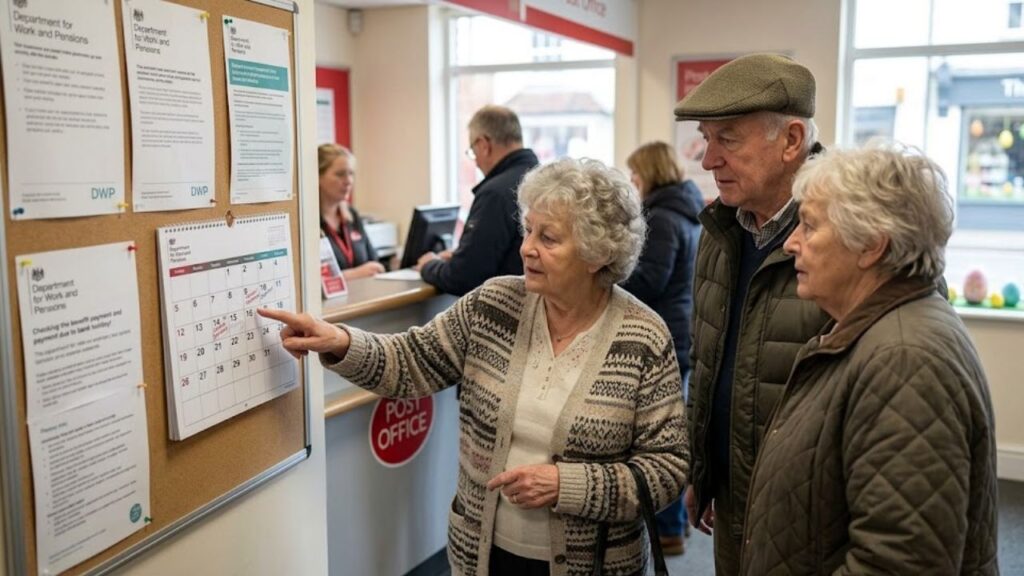
Who gets paid early and why
Payments that are due on a bank holiday typically arrive on the final working day prior to the holiday. The state pension, Universal Credit, Personal Independence Payment, Disability Living Allowance, Attendance Allowance, Pension Credit, Carer’s Allowance, ESA, and JSA are a few examples of this. The purpose of this DWP payment date modification is to prevent missed income on days when banks are closed and to ensure that households continue to receive regular assistance throughout Easter.

The money should be available in the morning because most banks credit the funds overnight on the revised day. Over the weekend, some apps might display outstanding balances, with funds cleared during business hours. Check cut-off times if you use cash machines or Post Office card accounts. Your award is not diminished by a change in the DWP payment date. It merely modifies the timing.

There is no difference if your regular payday does not coincide with a bank holiday. The amounts don’t change. See the Liverpool Echo’s round-up here for confirmed times and examples: Dates for April DWP benefit payments. Because processing times can vary by provider and account type, always check with your bank and award notice.
Important dates to keep an eye on and useful planning
Money that would land on Good Friday and Easter Monday may arrive earlier because they compress the first week of April. As a result, the time until the next regular payment will be longer. Take note of any one-time adjustments to the cost of childcare or travel during the school break. After a DWP payment date change, a straightforward calendar note can prevent unintentional overspending.
List all of your bills, including rent, council tax, energy, and mobile, that are due within the first ten days of April. Request that providers modify the collection day or add a short-term payment plan if the income date changes. This lowers fees and unsuccessful payments. When dates change, having one week’s worth of expenses in your account is a useful safety net.
If your payment will be arriving early, let your lender, housing association, or landlord know. If you ask in advance, many will permit a short-term change in dates. Verify credit card billing cycles, Buy Now Pay Later deadlines, and any benefit deductions made by third parties. To prevent disagreements, record the DWP payment date modification in messages or your tenancy portal.
Triple lock increase starting on April 6 and its effects on spending
The triple lock will increase the state pension by 4.8% starting on April 6, along with corresponding increases in Pension Credit and other benefits. For many retirees, the increase should boost resilience and baseline income. See this guide: State pension, Pension Credit, and triple lock increases from April – complete list for the most recent rate changes by benefit.
Grocery and value retail sales during the week can be boosted by an early Easter payout followed by a 4.8% increase. There may be fewer late payments and quicker bill settlements for utilities. Arrears and BNPL repayments may show a temporary improvement, according to lenders. The number of households that have a change in the DWP payment date during their cycle determines the scale.
Give priority to necessities like energy, rent, and council tax. If at all possible, pay off any high-rate debt or minor arrears before putting aside a small emergency fund. To prevent overdraft fees, think about distributing big purchases over several months. Following a change in the DWP payment date, a written plan for the first two weeks of April aids in stabilizing cash flow.
 DVLA Medical Licence Update 2026: Delays and List of Reportable Health Conditions Explained
Sector watchlist and investor cues
Demand is anticipated to increase into the week that early payments arrive before returning to normal. Pharmacies, grocery stores, and discount stores might profit first. Top-ups for prepayment energy may increase. Keep an eye on reported foot traffic, online conversion, and basket sizes. For a clear picture of the impact of the DWP payment date change, keep an eye on weekly arrears and roll rates on credit.
Look for management commentary on call center volumes, bad-debt trends, and April trading after Easter. Keep an eye on updates regarding cash collection from utilities and any modifications to repayment schedules. Early delinquency data through late April will tell banks and fintechs whether the 4.8% increase leads to long-term gains that go beyond the one-time timing effect.
Concluding Remarks
While a 4.8% triple lock increase starting on April 6th boosts incomes, Easter moves some early-April benefits and state pensions to the previous working day. Set aside more time until your next regular payment, get your bank to confirm the new date, and make any necessary adjustments to direct debits. To avoid penalties, notify lenders and landlords beforehand. Investors should keep an eye out for a pull-forward in groceries and necessities, faster utility settlements, and a temporary improvement in credit collections before determining whether April updates indicate long-term gains. A straightforward two-week cash plan makes a change in the DWP payment date a minor benefit rather than a surprise.
FAQs
A DWP payment date change: what is it?
The Department for Work and Pensions shifts your regular benefit payday to the preceding working day when it falls on a bank holiday. The amount of your award remains unchanged. While banks and certain services are closed for Easter, only the timing changes to allow you to access funds.
Which benefits might be disbursed ahead of Easter?
The state pension, Universal Credit, Personal Independence Payment, Disability Living Allowance, Attendance Allowance, Pension Credit, Carer’s Allowance, Employment and Support Allowance, and Jobseeker’s Allowance are among the payments that are transferable. There is no difference if your regular payday falls on a non-bank holiday. Always check your bank and award notice.
What is the impact of the 4.8% triple lock increase on the state pension?
The triple lock raises the state pension by 4.8% starting on April 6. Pension Credit and other related benefits also increase. The increase should lessen the strain on bills and improve baseline income. Combine the higher rate with a straightforward budget to pay for necessities first, followed by savings or, if possible, small debt repayments.
If my payment date changes, will my bills or direct debits automatically adjust?
No, unless you specifically request it, providers typically maintain the same collection date. Get in touch with your landlord, utility company, or lender to move the debit or set up a short plan if a DWP payment date change results in money coming in earlier. By doing this, you can avoid late payments, overdraft penalties, and damage to your credit report.
 DWP PIP Eligibility Update 2026: 178 Medical Conditions Qualifying for Up to £194 Per Week