People with disabilities are being informed that they may have to wait 37 weeks to receive a crucial benefit that is a part of a significant government initiative. In an effort to get more disabled people back into the workforce, the Labour government has started a significant overhaul of the welfare system.
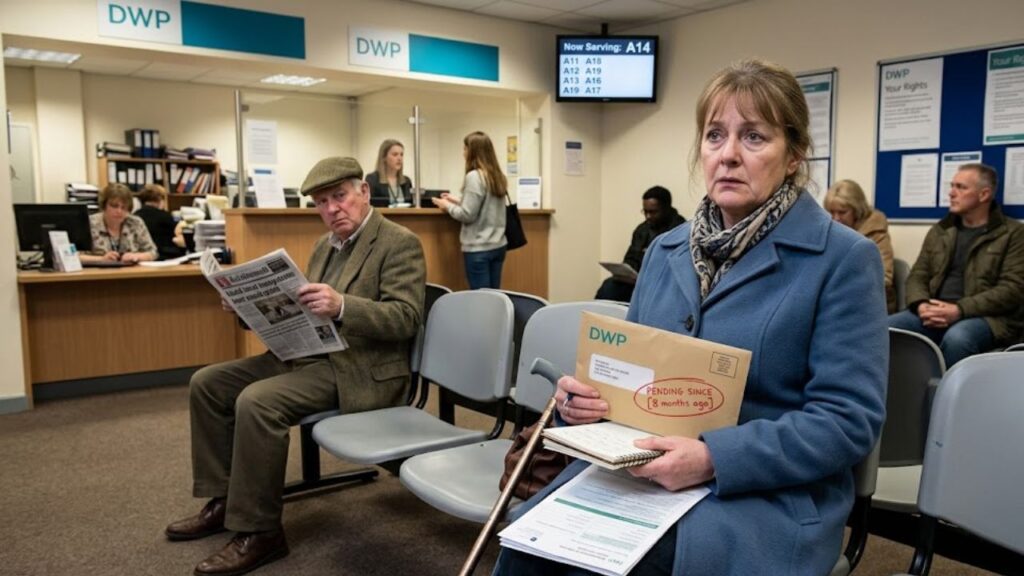
As it aims for an 80% employment rate, which was announced last year, it used the Access to Work benefit as part of its plan to assist thousands of people with health conditions in returning to the workforce. The Department of Work and Pensions has now acknowledged that there is a delay for new applicants requesting assistance through the program, which enables people with special needs to either start or continue working.

The delays have been verified by the DWP. Helga Swidenbank, the DWP director of accessibility, disability, and disputes, testified before the Commons public accounts committee in response to a National Audit Office report on the issue. She confirmed that individuals who called to file a claim were informed they might have to wait 37 weeks. “When a customer calls our Access to Work helpline, we have a voice recording that will tell them how long it is likely to take for a decision to be made,” she clarified.

After being abducted and sexually assaulted for 48 hours, “Real Life Gone Girl” was accused of getting engaged 24 hours after first meeting her boyfriend.
“At the moment, we are saying 37 weeks, so that information is out there and accessible to customers.” She claimed that this was the longest it would take, but the news surprised other committee members, who responded.
Director General of DWP Services and Fraud Neil Couling stated that he would “offer a glimmer of hope” and added: “The average time taken was 109 days in the report.” It’s beginning to turn. I am encouraged that it is now down to 106, but I am not saying that this is acceptable or that I am happy with it.”
“The situation is starting to turn, through the actions we have taken,” he added, adding that once “you start getting some momentum” the numbers do start to decline. However, we give priority to those who are currently working or will soon begin working, followed by the payment backlogs, as this seemed like a sensible solution to our issue.
But Mr. Stephenson went on: “Yes, I just can’t imagine how frustrated our constituents would be to hear an automated voice message informing them that a decision might not be made for 37 weeks.” I was frustrated because of this.

According to the National Audit Office report, it took an average of 109 days to decide a claim in November 2025. But the DWP’s goal is 25 days.
The committee was informed that the delays were affecting businesses that were not receiving the money they were due and preventing people from finding employment. It was also having an impact on charities.
The article continues below. Additionally, he said that some employers were “misusing” the program by encouraging disabled employees to apply for grants for support workers who were then performing tasks that the employer would typically hire someone else to perform.
Those “who have a job offer, are waiting to work and should be ready to start work in the next four weeks” were given priority, according to him. “Go to the front of the queue” is what he said.
He stated that efforts were being made to lower the backlog, including hiring more staff to handle Access To Work claims and increasing productivity and decision-making consistency. “By way of arithmetic, unless demand continues to grow again, that will inexorably reduce the backlog and get us down to where we need to get to.”
 DVLA Medical Licence Update 2026: Delays and List of Reportable Health Conditions Explained